Why the Best Muzzles for Chihuahua Aggression Are a Smart Safety Choice
The best muzzles for chihuahua aggression keep both your dog and the people around them safe — here are the top options at a glance:
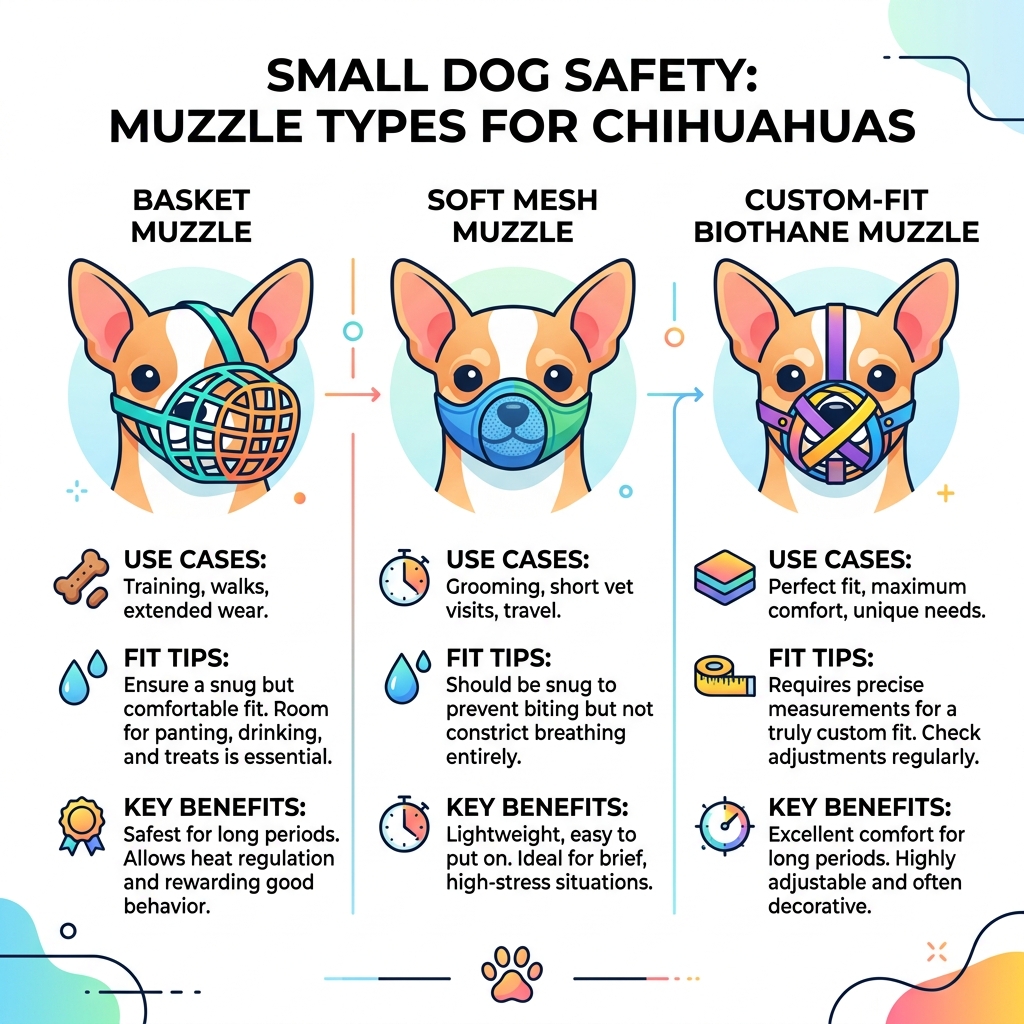
| Muzzle Type | Best For | Key Benefit |
|---|---|---|
| Basket (e.g., Baskerville Ultra) | Training, walks, extended wear | Allows panting, drinking, and treats |
| Soft Mesh / Sleeve (e.g., HEELE Nylon) | Grooming, short vet visits | Lightweight, easy to put on |
| Custom Biothane (e.g., BUMAS) | Perfect fit, comfort-focused use | Tailored to your Chihuahua’s exact snout |
Chihuahuas are bold, loyal, and fiercely protective. But that big personality in a small body can sometimes mean big bite risks — at the vet, during grooming, or when strangers get too close.
A muzzle isn’t a punishment. It’s a safety tool — one that responsible owners use to protect their dog, other people, and themselves while working on longer-term behavior solutions.
The challenge? Most muzzles are built for larger breeds. Chihuahuas have short snouts, tiny heads, and specific fit needs that make choosing the wrong muzzle not just uncomfortable — but potentially dangerous.
This guide cuts through the noise and shows you exactly which muzzles work best for small, reactive dogs like Chihuahuas.
Selecting the Best Muzzles for Chihuahua Aggression
When we think of Chihuahuas, we often think of “lap dogs,” but these little guys are essentially “little powder kegs” of protectiveness. Because they are so small, the world can be a very scary place. Many Chihuahuas exhibit aggression not because they are “mean,” but because they are terrified. This is often referred to as fear aggression.

Understanding the big truth about small dog aggression is the first step in managing it. Chihuahuas are highly prone to overstimulation. Whether it’s a stranger reaching down to pet them or the high-stress environment of a grooming salon, their natural instinct is to defend themselves.
A muzzle becomes an appropriate tool in several scenarios:
- Veterinary Visits: Even the sweetest dog might bite when in pain or under extreme stress.
- Grooming: Nail trims are a notorious trigger for small dog reactivity.
- Public Outings: If your dog is reactive to other dogs or strangers, a muzzle provides a safety net that prevents a stressful encounter from becoming a legal or medical liability.
- Training Sessions: Using the best muzzles for chihuahua aggression allows you to work on socialization and desensitization without the constant fear of a bite.
Recognizing safety signals like a stiff body, tucked tail, or a low growl tells us that a muzzle might be necessary for the safety of everyone involved. Veterinary experts and trainers agree that muzzling a dog humanely is a sign of a responsible owner, not a “bad” dog.
Key Factors for Small Breed Muzzle Fitting
Finding a muzzle that fits a five-pound dog is like finding a bra—it’s a very individual process where comfort and fit are paramount. If a muzzle is too heavy, it will pull the dog’s head down; if it’s too tight, it prevents the dog from cooling itself.
For Chihuahuas, we have to be especially careful about their unique anatomy. Many Chihuahuas have slightly shorter snouts or more rounded heads than the “standard” dog profile.
| Feature | Basket Muzzle | Soft Mesh / Sleeve | Custom Biothane |
|---|---|---|---|
| Material | Thermoplastic Rubber / Wire | Nylon / Mesh | BioThane (Synthetic Leather) |
| Panting Room | Excellent | Limited to None | Excellent (if custom) |
| Drink/Eat | Yes | No | Yes |
| Weight | Moderate | Very Lightweight | Lightweight |
| Best Use | Long walks, training | Quick vet/groomer tasks | Long-term daily comfort |
According to Cornell University’s guidance on muzzle choices, the most critical factor is the ability to pant. Dogs don’t sweat like we do; they cool off by panting. If a muzzle holds the jaw shut for a long period, the dog can overheat.
When measuring for a Chihuahua, you need two primary numbers:
- Snout Length: Measure from about half an inch below the eyes to the very tip of the nose.
- Mouth Diameter (Circumference): Measure around the widest part of the snout while the mouth is closed, then add an inch or two to ensure they have “panting room.”
Look for features like adjustable straps and quick-release buckles. For reactive dogs, an overhead strap that connects to the collar can prevent the dog from pawing the muzzle off.
Top-Rated Product Reviews for Aggressive Chihuahuas
When addressing small dog behavior issues, having the right equipment changes the entire dynamic of your training. We’ve looked at sales data and expert reviews to find the muzzles that actually stay on those tiny, wiggly heads.
Basket Designs: The Best Muzzles for Chihuahua Aggression and Training
Basket muzzles are the “gold standard” for most aggressive dogs because they offer the best balance of security and humanity.
The Baskerville Ultra Muzzle is a consistent top-seller, holding the #1 spot on major retail platforms with tens of thousands of positive reviews. While originally designed for larger dogs, their smallest sizes (Size 1 or 2) are often used for Chihuahuas. These are made of durable thermoplastic rubber that can actually be heated and molded for a more custom fit.
Another excellent option is the Mayerzon Dog Muzzle. It is highly praised for its breathability and is specifically marketed toward small, aggressive breeds. The basket design allows your Chihuahua to take treats, which is essential for positive reinforcement training. If they can’t eat the treat, you can’t reward the good behavior!
Soft Mesh and Sleeve Options for Short-Term Use
Sometimes you just need a quick fix for a ten-minute nail trim. This is where soft mesh muzzles, like the HEELE Soft Nylon Muzzle, come in. These rank very high in sales because they are incredibly lightweight (some weighing less than an ounce) and less intimidating for the dog.
However, a word of caution: these muzzles work by holding the jaw mostly shut. They are not for long walks or exercise. They are “Plan B” tools for short-term restraint. They are great for preventing nipping during grooming but should never be used for more than 10-15 minutes at a time due to the restricted airflow.
Custom Biothane: The Best Muzzles for Chihuahua Aggression and Comfort
If you have a Chihuahua with a particularly difficult-to-fit face, or if you want the absolute best in comfort, custom is the way to go. Brands like BUMAS and LiMUZZ specialize in this.
BUMAS uses BioThane, a material that feels like soft leather but is waterproof and easy to clean. Because they are handmade, they account for the specific “cut” of a Chihuahua’s head. LiMUZZ takes it a step further by using 3D printing technology. You send in your dog’s exact measurements, and they print a muzzle that is up to two-thirds lighter than standard options. These are ideal for “brachycephalic” or short-snouted Chihuahuas who struggle with standard basket shapes hitting their eyes.
Step-By-Step Muzzle Training and Measurement
You can’t just slap a muzzle on a Chihuahua and expect them to be happy about it. That’s a one-way ticket to making the aggression worse. We want the muzzle to be seen as a “treat basket” that happens to be attached to their face.
Following training tips for aggressive small dogs involves a slow, patient process:
- The Introduction: Let your dog sniff the muzzle. Every time they look at it or sniff it, give them a high-value treat (think chicken or cheese).
- The “Peanut Butter” Trick: Smear a little bit of dog-safe peanut butter or wet food on the inside tip of the muzzle. Let them stick their nose in voluntarily to lick it off. Do not strap it on yet!
- The First Buckle: Once they are comfortable putting their nose in, briefly buckle the strap and then immediately unbuckle it and give a treat.
- Gradual Duration: Increase the time they wear it from 5 seconds to 30 seconds, then a minute. Always pair the wearing with something fun, like a walk or a favorite game.
Measurement Tip: When measuring the snout, use a soft measuring tape. If you don’t have one, use a piece of string and then measure the string against a ruler. For Chihuahuas, precision matters—an extra half-inch can mean the difference between a secure fit and a muzzle that slides off.
Safety Guidelines, Maintenance, and Alternatives
Using the best muzzles for chihuahua aggression requires ongoing responsibility.
Wear Duration: Even the best basket muzzle shouldn’t be worn indefinitely. While some dogs can wear them for a few hours during a hike or a training class, you should check for rubbing or chafing every 30 minutes. If you see redness on the bridge of the nose, the fit needs adjustment.
Hygiene: Dogs drool, pant, and sometimes try to rub their faces in the grass while muzzled. This builds up bacteria.
- Mesh/Nylon: Usually machine washable on a gentle cycle.
- Rubber/Plastic: Can be scrubbed with warm soapy water and a toothbrush.
- Biothane: Simply wipe down with a damp cloth.
Alternatives and Training: A muzzle is a management tool, not a cure. To truly help your dog, you must combine muzzle use with managing and correcting aggressive behavior. This might include working with a professional behaviorist to identify triggers. Alternatives like “calming caps” (which slightly blur a dog’s vision to reduce reactivity) or front-clip harnesses can also help, but for a dog that is a confirmed bite risk, a muzzle is the only 100% safety guarantee.
Frequently Asked Questions about Chihuahua Muzzles
Is it cruel to use a muzzle on a small dog?
No, it is not cruel if the muzzle fits properly and the dog has been acclimated to it. In fact, it can be kinder because it allows the dog to participate in activities (like walks or vet visits) that would otherwise be too dangerous. It prevents the “bite-quarantine-euthanasia” cycle that unfortunately claims many reactive dogs.
How long can a Chihuahua safely wear a muzzle?
A basket muzzle that allows full panting and drinking can be worn for 1–2 hours at a time during active supervision. A soft sleeve or mesh muzzle should only be worn for 10–15 minutes because it restricts the dog’s ability to pant and cool down.
Can my Chihuahua eat and drink while muzzled?
In a basket muzzle, yes! This is why we recommend them for the best muzzles for chihuahua aggression. You can slip small treats through the holes, and the dog can lap water from a bowl. In a mesh or “sleeve” muzzle, they generally cannot eat or drink.
Conclusion
At Portal Tambas, we believe that every small dog deserves to feel safe and understood. Using a muzzle isn’t an admission of failure—it’s an act of love and protection. By choosing the best muzzles for chihuahua aggression, you are taking a proactive step toward a calmer, safer life for your feisty companion.
The muzzle is just one piece of the puzzle. Combine it with patience, positive reinforcement, and our expert training tips for small dogs to turn your “tiny terror” back into a “good boy.” With the right fit and the right training, your Chihuahua can navigate the world with confidence—and you can navigate it with peace of mind.