Small Dog, Big Problem: Why Aggressive Small Dog Aggression Deserves Serious Attention
Aggressive small dog training tips can make the difference between a dog that bites and one that behaves — and if you need a quick answer, here it is:
Quick Answer: How to Train an Aggressive Small Dog
- Identify the trigger — fear, strangers, other dogs, food, or territory
- Rule out medical causes — visit your vet first if aggression is sudden
- Use positive reinforcement — reward calm behavior with high-value treats
- Desensitize gradually — expose your dog to triggers at a safe distance, then slowly close the gap
- Set clear boundaries — consistent rules reduce anxiety and build trust
- Avoid punishment — it worsens fear-based aggression
- Seek professional help — if biting has occurred or behavior is unpredictable
Picture this: your guests arrive at the door and your tiny Chihuahua launches into a full-blown frenzy — barking, lunging, snapping. You laugh nervously and say, “Don’t worry, he’s harmless.”
But is he?
Aggression is the most common and most serious behavior problem in dogs. It’s also the number-one reason owners turn to trainers, vets, and behaviorists for help. Studies suggest that as many as 60 to 70% of pet dogs bark threateningly at strangers — and small dogs are no exception.
The problem is that small dog aggression is routinely dismissed. A snarling Chihuahua gets called “feisty.” A snapping Yorkie is “just being protective.” People laugh it off because the dog is small. But that mindset allows the behavior to grow — and small dogs can cause real harm, especially to children or elderly people.
What makes it worse? Most small dog aggression isn’t about dominance or bad character. It’s usually rooted in fear. And a frightened dog that has learned biting works is a dog on a dog on a path toward serious problems.
The good news: with the right approach, this behavior can be managed and significantly reduced.
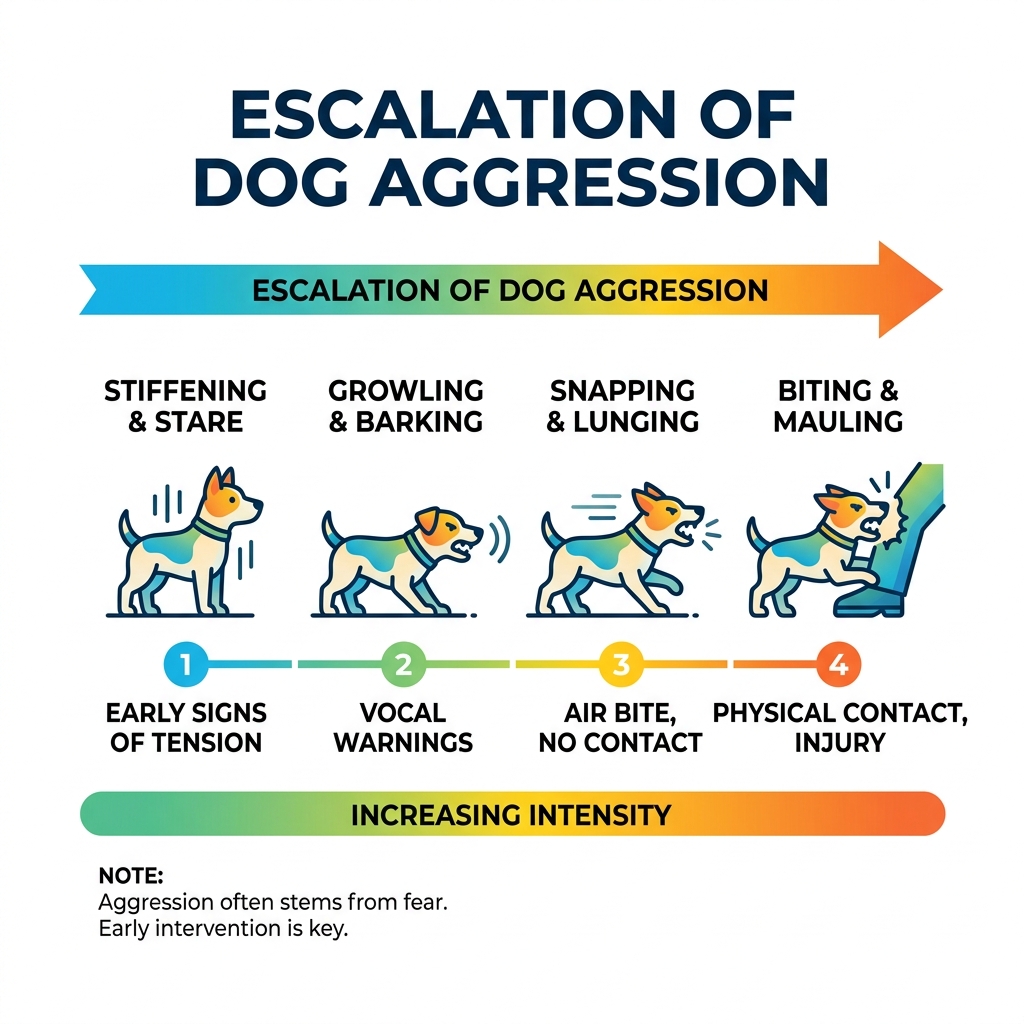
Understanding the Root Causes of Small Dog Aggression
When we see a ten-pound dog lunging at a Great Dane, we often wonder what on earth they are thinking. To understand how to help them, we first have to understand why they act this way. Aggression in small dogs is rarely a random choice; it is a functional response to a perceived threat or a specific internal state.
One of the most frequent drivers is fear-based aggression. Because small dogs live in a world built for giants, they often feel vulnerable. If a dog feels cornered or intimidated and their subtle warnings (like licking lips or looking away) are ignored, they may resort to growling or snapping to create space.
Another common cause is resource guarding, also known as possessive aggression. This happens when a dog feels the need to protect “their” items—be it a food bowl, a favorite toy, or even a spot on the sofa. If they feel someone is going to take it away, they react defensively.
We also see pain-elicited aggression. If a small dog has a hidden injury, dental pain, or arthritis, they may snap when touched or even when someone simply approaches them. This is why we always recommend a veterinary checkup as the first step in addressing small dog behavior issues.
Territoriality and genetic predispositions also play roles. Some breeds, like certain terriers or Chihuahuas, were historically bred for bravery and feistiness. While genetics aren’t destiny, they can influence a dog’s baseline reactivity.
The biggest difference between small dog aggression and large dog aggression is often the human response. Because a large dog’s growl is immediately threatening, owners tend to address it instantly. Small dogs, however, often have their early warning signs ignored until the behavior escalates into a bite.
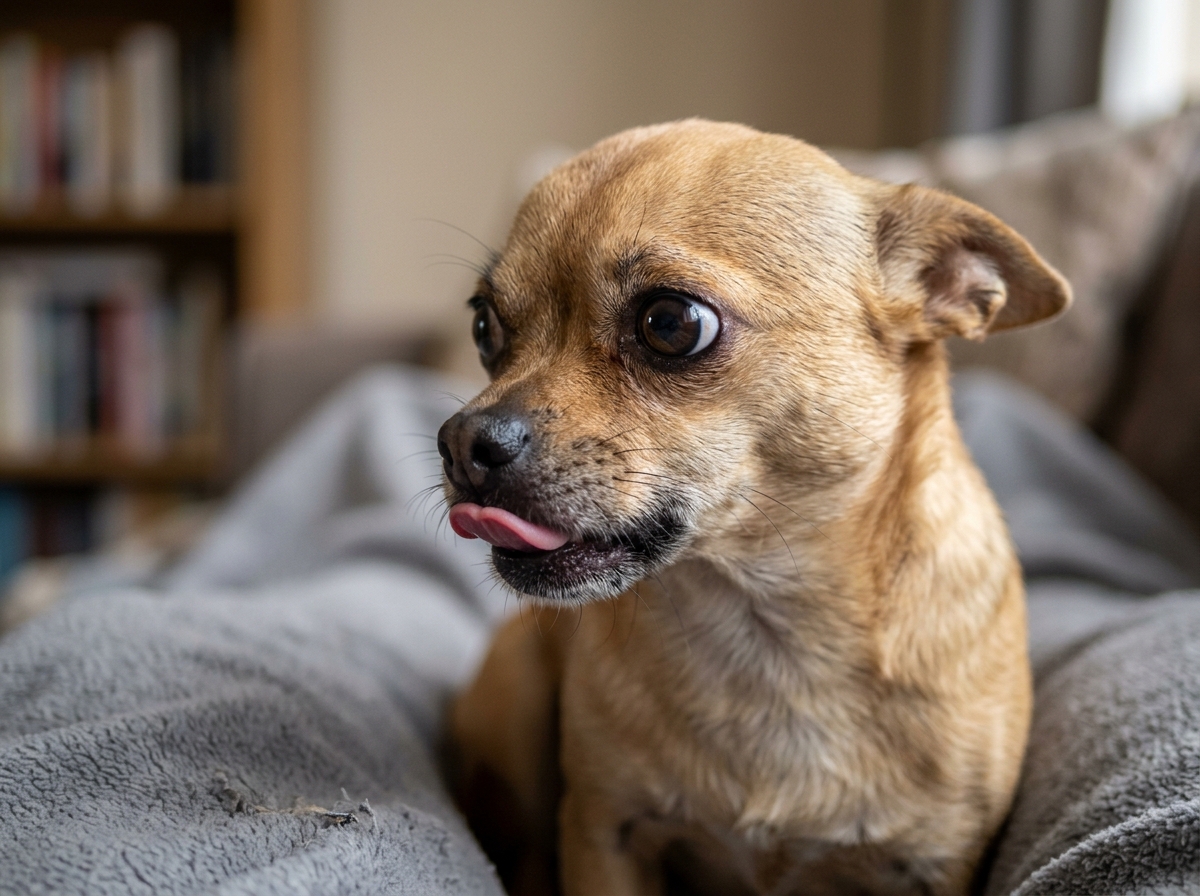
The Truth About Small Dog Syndrome
You have likely heard the term “Small Dog Syndrome.” While it sounds like a medical diagnosis, it is actually a descriptive term for a collection of learned behaviors. It often stems from the way we treat small dogs differently than large ones.
For example, many owners inadvertently provide a height advantage by constantly carrying their dogs or allowing them to sit on the back of the sofa. This can inflate a dog’s sense of confidence and lead to defensive barking or lunging because they feel they are “in charge” of the situation.
Furthermore, human reinforcement plays a massive role. If a small dog growls and we pick them up or give them a treat to “calm them down,” we are actually teaching them that growling gets them what they want: attention or removal from a scary situation. This creates a survival response where the dog learns that being “aggressive” is the only way to communicate their needs. A lack of clear boundaries often leaves a small dog feeling anxious and unprotected, leading them to take matters into their own paws.
Fear vs. Dominance in Aggressive Small Dog Training Tips
There is a long-standing debate in the dog world about whether aggression is caused by “dominance” or “fear.” In our experience, and supported by modern research, the vast majority of small dog aggression is rooted in anxiety and defensive reactions, not a desire to be the “alpha.”
When a dog acts out, they are often performing a social negotiation. They are saying, “I am uncomfortable, please move away.” If we interpret this as a challenge to our leadership and respond with “alpha rolls” or physical punishment, we only increase the dog’s fear. This makes the aggression worse because the dog now views their owner as unpredictable and scary.
Effective managing and correcting aggressive behavior involves identifying environmental triggers. Is it the sound of the doorbell? The sight of a large dog? The reach of a hand? Once we know the “why,” we can change the “how” of our training.
Proven Aggressive Small Dog Training Tips and Techniques
Training an aggressive small dog requires a shift in mindset. We aren’t trying to “break their spirit”; we are trying to build their confidence. The most effective way to do this is through positive reinforcement.
By leveraging positive reinforcement, we teach the dog that good things happen when they choose a calm behavior over a reactive one. This involves using marker words (like “Yes!” or a clicker) followed immediately by high-value treats (think boiled chicken or tiny pieces of cheese).
To help you choose the right approach, here is a comparison of two primary methods used in aggressive small dog training tips:
| Method | Goal | How it Works |
|---|---|---|
| Desensitization | Reduce sensitivity to a trigger | Gradual exposure to the trigger at a distance where the dog remains calm. |
| Counter-Conditioning | Change the emotional response | Pairing the “scary” trigger with something wonderful (like food) to create a positive association. |
Essential Commands for Safety and Control
Before we can tackle the aggression directly, we need to have a foundation of basic communication. Mastering basic commands gives your dog a “job” to do when they are feeling stressed.
- “Leave it”: This is vital for resource guarding. It teaches the dog that giving something up results in something better.
- “Sit-stay”: This builds impulse control. A dog that is focused on holding a “sit” is less likely to launch into a lunging frenzy.
- Recall (Come): A reliable recall can literally save your dog’s life if they are charging toward a larger, less friendly dog.
- Focus training: Teaching your dog to look at you (the “Watch Me” command) is the ultimate tool for redirecting their attention away from a trigger.
Don’t forget the importance of leash training for small dogs. Many small dogs become “leash reactive” because they feel trapped. A loose-leash walk reduces tension and helps them feel more relaxed in the presence of others.
Desensitization Strategies as Aggressive Small Dog Training Tips
The key to stopping aggression is trigger identification. You need to know exactly what sets your dog off. Is it a person wearing a hat? A dog that is barking? A bicycle?
Once you’ve identified the trigger, you must manage the threshold. The threshold is the distance at which your dog starts to react. If your dog barks at other dogs from 20 feet away, their threshold is 21 feet.
Distance training is your best friend. Start at a distance where your dog can see the trigger but remains calm. Every time they look at the trigger and then look back at you, give them a high-value treat. This creates positive associations. Over several sessions, you can gradually expose them to the trigger by moving a few inches closer, always ensuring they stay below their “explosive” threshold.
Socialization and Environmental Management
Socialization for an aggressive small dog is not about throwing them into a dog park and hoping for the best. In fact, that is often the worst thing you can do. Socialization must be controlled exposure.
We recommend floor-level socialization. When we pick dogs up, we change their perspective and often increase their feeling of being “trapped.” Let them interact with the world on their own four feet. If you are worried about safety, use a drag leash (a light leash with the handle cut off) indoors so you can guide them away from trouble without reaching into their “bite zone.”
For dogs that struggle with guests, establish a visitor protocol. Have guests ignore the dog entirely—no eye contact, no reaching out. Let the dog approach the guest on their own terms. This takes the pressure off and helps in curbing barking issues because the dog no longer feels the need to “defend” the home from an intrusive stranger.
Mental Stimulation and Enrichment
A bored dog is often a reactive dog. Small dogs are incredibly smart and need outlets for their energy. By unleashing potential with training tricks, you give them a productive way to use their brains.
Puzzle toys, snuffle mats, and scent work are fantastic for aggressive dogs. These activities lower stress levels and provide “feel-good” dopamine hits. If your dog is busy using their nose to find treats in a snuffle mat, they are much less likely to be scanning the window for something to bark at. Indoor exercise like hide-and-seek or indoor fetch is also a great way to burn off steam when outdoor walks are too stressful due to triggers.
When to Seek Professional Help for Aggression
While many minor issues can be handled at home, some situations require an expert. You should seek professional help if:
- Severe biting has occurred (breaking the skin).
- The aggression is unpredictable or seems to come “out of nowhere.”
- You feel fearful or overwhelmed by your dog’s behavior.
- The dog is showing aggression toward children.
Start with a veterinary check to rule out medical causes. Once health is cleared, look for a certified behaviorist or a trainer who specializes in fear-based aggression. They can help you with safety gear like muzzle training—which, contrary to popular belief, can be a very positive experience for a dog if done correctly with plenty of treats.
Frequently Asked Questions about Small Dog Aggression
Can small dog aggression be completely cured?
In many cases, the frequency and intensity of aggression can be reduced so significantly that it is no longer a daily problem. However, most experts prefer the term management over “cure.” Aggression is often a response to stress, and like humans, dogs can have bad days. A successful plan involves trigger avoidance and lifelong consistency. You must always be aware of your dog’s limits to keep them (and others) safe.
How long does it typically take to see improvements?
Training is a marathon, not a sprint. While you might see small wins in the first week, 1-2 month milestones are more realistic for lasting behavior change. The timeline depends heavily on the dog’s individual temperament and, most importantly, your consistency. Practicing for 5-10 minutes every single day is much more effective than one long session once a week.
What common mistakes should owners avoid?
The biggest mistake is using punishment. Yelling, hitting, or using shock collars increases the dog’s anxiety and confirms their fear that the world is a scary place. Another mistake is excusing the behavior because the dog is small. If you wouldn’t let a 100-pound dog do it, don’t let a 10-pound dog do it. Finally, forcing interactions (like making a scared dog be petted) almost always leads to a bite. Respect their space!
Conclusion
At Portal Tambas, we believe that every “tiny terror” has the potential to become a “good boy.” It takes patience, consistency, and a commitment to seeing the world from your dog’s perspective. By shifting from a mindset of punishment to one of leadership and support, you can rebuild the bond with your pet.
Managing aggression isn’t about control; it’s about communication. Stay calm, stay positive, and don’t be afraid to ask for help when you need it. For more expert training tips for small dogs, keep exploring our resources and start your journey toward a quieter, happier home today.