The Real Reason Small Dogs Act Out (And What You Can Do About It)
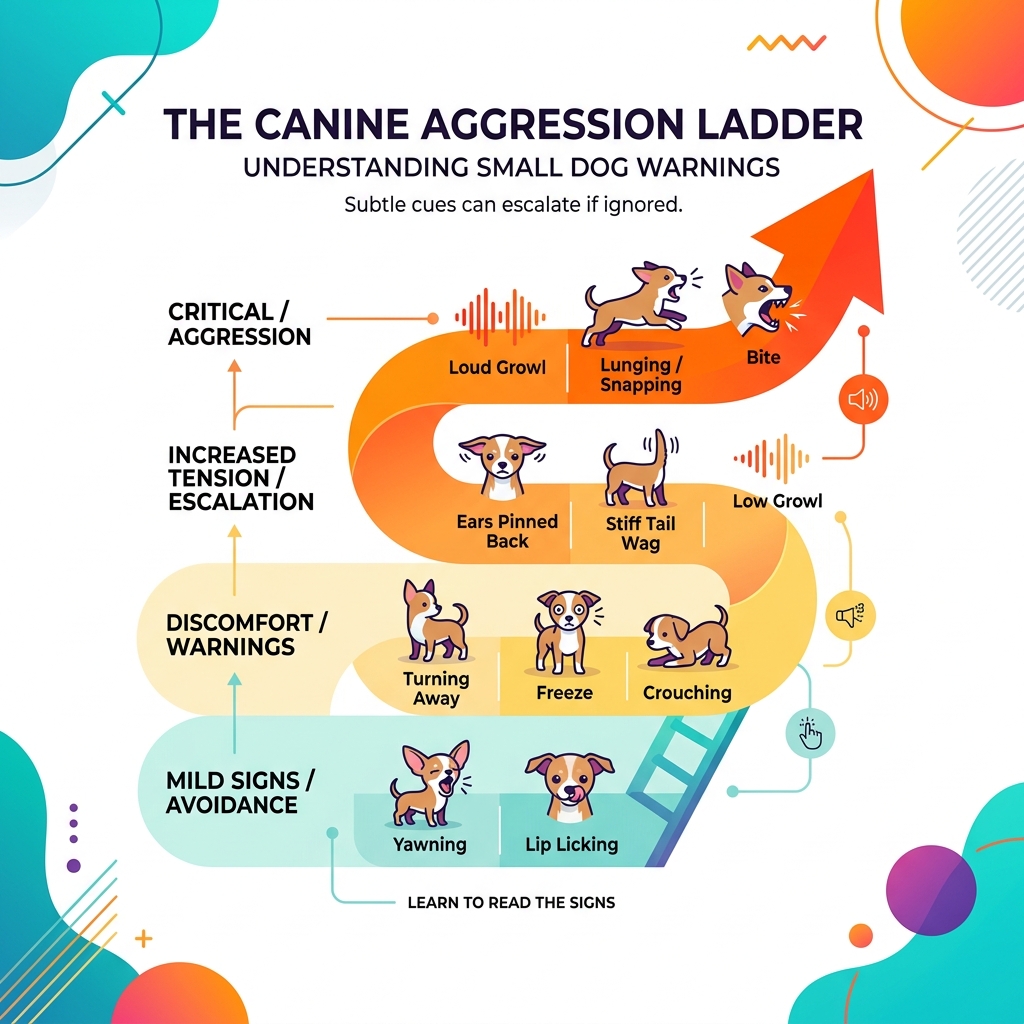
Aggressive behavior in small dogs is one of the most misunderstood problems in pet ownership. Here’s a quick summary of what’s behind it:
- Fear and vulnerability – Small dogs often feel threatened by a world built for bigger animals
- Owner reinforcement – Coddling, picking up, and ignoring warning signs accidentally rewards aggression
- Lack of training and socialization – Small dogs are often undertrained because their bites seem less dangerous
- Genetics and breed history – Some small breeds were originally bred for hunting or pest control, giving them a naturally bold temperament
- Pain or medical issues – Sudden aggression can signal an underlying health problem
No dog is born aggressive. Every case of small dog aggression has a cause — and most causes are fixable.
Think about this: a small dog growls at a stranger approaching its owner. The owner laughs it off, maybe even picks the dog up. The dog learns that growling works. Next time, it growls faster, louder, and at more people. What started as a nervous reaction becomes a habit — and a real problem.
This pattern plays out in homes every day. The good news? Understanding why it happens is the first step to turning it around.
Roughly 60 to 70% of all pet dogs bark threateningly at strangers — so reactivity itself isn’t rare. But small dogs tend to get a free pass that larger dogs never would, and that leniency is a big part of what makes the problem worse.
Understanding Small Dog Syndrome and Fear-Based Reactivity
When we talk about aggressive behavior in small dogs, the term “Small Dog Syndrome” (SDS) almost always comes up. While it sounds like a medical diagnosis, it is actually a behavioral pattern. SDS isn’t something a dog is born with; it’s a set of behaviors—like lunging, growling, and ignoring commands—that develop because the dog is treated differently than a large dog would be.
At its core, SDS is often a form of overcompensation. Imagine living in a world where everything—from the grass to the kitchen table—is taller than you. For a ten-pound Terrier, a simple walk down the street can feel like a gauntlet of giants. This creates a sense of profound vulnerability. To protect themselves, many small dogs adopt a “the best defense is a good offense” strategy.
When we are addressing small dog behavior issues, we have to recognize that what looks like “bossiness” is often deep-seated anxiety. Defensive posturing—such as a rigid body, tucked tail, or showing teeth—is the dog’s way of saying, “I’m scared, please stay away.” If a dog feels their space is constantly being invaded (which happens often to small dogs who are frequently scooped up without warning), they learn that aggression is the only way to get people to back off.
Why Small Dogs Exhibit Aggressive Behavior Compared to Large Dogs
It isn’t just our imagination—science backs up the idea that smaller dogs tend to show more reactive traits. A massive study from the University of Helsinki, which surveyed over 9,000 dogs, found some startling results. The miniature poodle was ranked as the second most aggressive breed, with the miniature schnauzer coming in third. Chihuahuas also consistently rank near the top of aggressive breed lists.

But why? Is it just their size? Not quite. Several factors contribute to why we see more aggressive behavior in small dogs than in their larger counterparts:
- Lower Stakes: If a 100-pound Great Dane growls, the owner takes it seriously and seeks help immediately. If a 6-pound Yorkie growls, it might be caught on video and posted as “cute” or “feisty.” This owner tolerance allows the behavior to escalate.
- Breeding History: Many toy and small breeds weren’t just bred to sit on laps. Yorkies were rat hunters in mines, and Dachshunds (the “badger dogs”) were bred to flush fierce badgers out of burrows. That “terrier tenacity” and hunting instinct remain in their DNA.
- The “Napoleon Complex” Myth: While we joke about small dogs having a big ego, research suggests it’s more about fear. Small dogs are more likely to be stepped on, dropped, or bullied by larger dogs. These negative experiences teach them to be reactive.
For more details on these specific traits, check out this guide on Small Dog Aggressive Traits You Shouldn’t See.
The Role of Genetics and Early Socialization
Genetics provide the blueprint, but the environment builds the house. Many small dogs miss out on the critical “socialization window” that occurs in early puppyhood. Because they are so small and fragile, owners often keep them tucked away, fearing they might catch a disease or get hurt by a bigger dog.
While well-intentioned, this lack of exposure leads to a fear of the unknown. A dog that hasn’t seen a bicycle, a person in a hat, or a Great Dane by the time they are 16 weeks old is much more likely to view those things as threats later in life. We highly recommend socializing your small dog with these techniques and tips to build their confidence early.
Genetically, some small breeds have had aggression “bred out” less than large breeds. Because a small dog bite is rarely life-threatening, breeders may have historically focused more on appearance or size than on a perfectly stable temperament, whereas large breed breeders have a much higher liability if a dog is aggressive.
How Owner Handling Influences Aggressive Behavior in Small Dogs
We hate to say it, but sometimes we are our own worst enemies when it comes to our dogs’ behavior. Common owner habits can accidentally create a “tiny tyrant.”
- Picking them up: When a small dog growls at another dog, the owner often scoops them up. This does two things: it reinforces the dog’s belief that the other dog was a threat, and it rewards the growling with “safety” and affection.
- Coddling: Treating a dog like a human infant prevents them from developing the independence and confidence they need to navigate the world.
- Lack of Boundaries: Small dogs often get away with jumping on people, begging, or “guarding” the sofa because it seems harmless. However, a lack of structure leads to a dog that feels they must be the “boss” to keep the pack safe.
- Improper Handling: Small dogs are often handled roughly by children or picked up incorrectly, leading to “handling sensitivity.” If being touched often leads to discomfort or being startled, the dog will eventually start snapping to protect their body.
Learning training tricks for small dogs can help you establish a healthy relationship based on mutual respect rather than overprotection.
Identifying Different Types of Aggression and Medical Triggers
Not all aggressive behavior in small dogs is the same. To fix the problem, we first have to identify the motivation. According to the ASPCA guide on aggression, there are several distinct types:
| Aggression Type | Primary Motivation | Common Signs |
|---|---|---|
| Fear-Based | Self-preservation/Fear | Barking while backing away, tucked tail, nipping from behind. |
| Territorial | Protecting “their” space | Barking at the mailman, lunging at the door, guarding the yard. |
| Possessive | Resource guarding | Growling when you get near their food, toys, or “their” person. |
| Pain-Related | Discomfort/Pain | Sudden snapping when touched in a certain spot, irritability. |
| Social | Conflict over status | Aggression toward other dogs in the house over perceived “rights.” |
It is crucial to rule out medical issues first. A “toothache can make anyone mighty cranky,” and the same goes for your dog. Small dogs are prone to dental issues, luxating patellas (wobbly kneecaps), and arthritis as they age. If your normally sweet dog suddenly starts biting when you pick them up, it’s time for a vet visit.
For a deeper dive into these categories, read Small Dog Aggression: Understanding and Addressing the Issue.
Proven Techniques for Reducing Aggressive Behavior in Small Dogs
The good news is that you don’t have to live with a “tiny terror.” Most aggressive behavior in small dogs can be managed or even eliminated with the right approach.
1. Positive Reinforcement
Punishment-based training (like yelling or “alpha rolls”) almost always backfires with small dogs. Because their aggression is usually rooted in fear, punishing them just makes them more afraid—and therefore more aggressive. Instead, leverage positive reinforcement by rewarding the behaviors you want to see. If your dog sees a stranger and doesn’t bark, give them a high-value treat immediately.
2. Exercise and Mental Stimulation
A tired dog is a well-behaved dog. Even though they are small, these dogs often have high energy levels. We recommend at least two to three walks a day. This doesn’t just burn off physical energy; it provides mental stimulation that reduces overall anxiety.
3. Set Clear Boundaries
Treat your small dog like a big dog. If you wouldn’t let a Doberman jump on your chest or growl at you while you’re on the sofa, don’t let your Maltese do it either. Consistency is key. Everyone in the household must follow the same rules.
4. Desensitization and Counter-Conditioning
If your dog is afraid of other dogs, start by standing at a distance where they feel safe (the “threshold”). Reward them for looking at the other dog without reacting. Gradually decrease the distance over weeks or months. You can also learn how to effectively curb barking during this process.
5. Stop the “Scoop”
Unless your dog is in immediate physical danger, stop picking them up when they act aggressively. Instead, use a leash to calmly lead them away from the trigger. This teaches them that they can handle situations on their own four paws.
When to Seek Professional Help for Aggressive Behavior in Small Dogs
While many issues can be handled at home, some cases require an expert. You should seek professional help if:
- Your dog has a history of breaking the skin with bites.
- The aggression is unpredictable or “Jekyll and Hyde” in nature.
- You feel afraid of your own pet.
- Your dog is guarding resources (like food) so fiercely that you cannot move around your home.
A veterinary behaviorist can assess whether your dog has a behavioral illness and may prescribe psychotropic medication to help lower their anxiety levels so training can become effective. managing and correcting aggressive behavior in small dogs is a marathon, not a sprint.
Untreated aggression carries real-world risks. Even a small bite can lead to legal issues, lawsuits, or your dog being labeled “dangerous” by local authorities. It is always better to intervene early with a comprehensive wellness exam to rule out pain before the behavior becomes a permanent habit.
Frequently Asked Questions about Small Dog Aggression
Are small dogs naturally more aggressive than large breeds?
No dog is born “mean.” While some breeds have higher prey drives or are more “alert” due to their genetics, aggressive behavior in small dogs is primarily a learned response to feeling vulnerable. Because owners often tolerate “naughty” behaviors in small dogs, they are simply more likely to develop these habits than large dogs who are held to stricter standards.
Can Small Dog Syndrome be cured?
Absolutely. SDS is a behavioral pattern, not a permanent personality trait. With consistent boundaries, proper socialization, and an owner who stops coddling and starts training, most small dogs can become confident, well-adjusted companions. It requires a shift in the owner’s attitude as much as the dog’s.
Which small dog breeds are known to be the least aggressive?
If you are looking for a smaller companion with a generally calmer temperament, breeds like the Shih Tzu, Pug, Beagle, Bichon Frise, and Cavalier King Charles Spaniel are often recommended. These breeds were historically bred primarily for companionship, meaning they often have a more laid-back approach to strangers and other animals.
Conclusion
At Portal Tambas, we believe that every small dog has the potential to be a polite and happy member of the family. Aggressive behavior in small dogs isn’t a life sentence—it’s a cry for help or a result of accidental reinforcement. By understanding the “why” behind the bark, you can begin the journey toward a more peaceful home.
Whether it’s setting better boundaries, increasing daily exercise, or consulting a professional for a tailored behavior plan, the effort you put in now will pay off in a lifetime of loyalty and love. For more advice on bringing out the best in your pet, explore more training tips for small dogs on our site. Your dog isn’t trying to give you a hard time—they are having a hard time. Together, we can help them find their confidence.